Hydrogen aviation systems
Design and analysis of hydrogen powered aircraft concepts, including SOFC-GT systems, fuel cell propulsion, aircraft integration, hydrogen storage, mission profiles, and future aircraft architectures.
Hydrogen aviation, fuel cells, techno economics, and clean technology strategy.
I work at the intersection of aerospace engineering, hydrogen energy systems, fuel cell propulsion, emissions reporting, and venture building. My work connects rigorous research with practical decisions for aircraft concepts, energy infrastructure, sustainability platforms, and emerging clean technology markets.
My work sits between rigorous engineering research and the decisions organizations actually have to make.
Dr. Khaled AlSamri is a mechanical and aerospace engineer working at the intersection of hydrogen aviation, fuel cell systems, techno economic analysis, and clean energy commercialization. His work focuses on the design and analysis of hydrogen powered aircraft, solid oxide fuel cell and gas turbine propulsion systems, blended wing body aircraft concepts, hydrogen infrastructure, and emissions reduction pathways.
He earned his PhD in Mechanical and Aerospace Engineering from the University of California, Irvine, where his research focused on the performance and techno economic analysis of hydrogen powered propulsion for flight — spanning hydrogen SOFC-GT aircraft systems, fuel cell aircraft integration, blended wing body design, aircraft retrofit studies, hydrogen storage, dynamic modeling, and the economics of clean hydrogen deployment at airport scale.
Khaled combines technical depth with an implementation mindset. His experience spans academic research, experimental planning, startup development, emissions reporting, sustainability platforms, venture validation, grant execution, procurement planning, international collaboration, and coordination between technical and institutional stakeholders. He currently serves as an assistant professor at United Arab Emirates University — one part of a broader portfolio of research, advisory, and venture work.
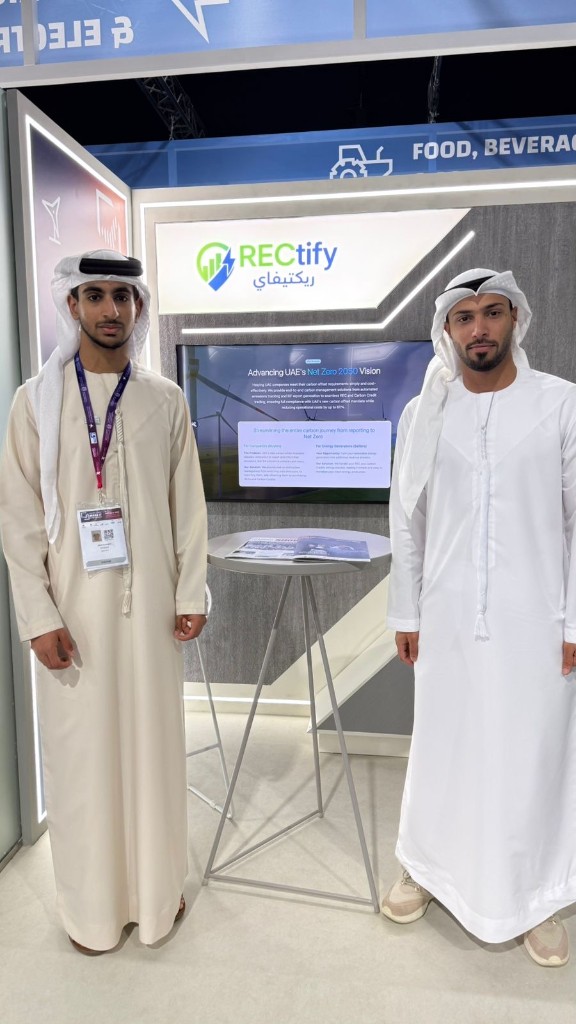
His current work includes hydrogen fuel cell aircraft, SOFC-GT hybrid systems, BWB aircraft and UAV concepts, fuel cell test stand development, clean hydrogen deployment, emissions accounting, and the commercialization of sustainability tools through Rectify Emissions.
Four areas where technical depth and implementation experience come together.
Design and analysis of hydrogen powered aircraft concepts, including SOFC-GT systems, fuel cell propulsion, aircraft integration, hydrogen storage, mission profiles, and future aircraft architectures.
Modeling the cost, feasibility, infrastructure needs, lifecycle impact, and commercial viability of hydrogen systems, clean energy projects, airport hydrogen supply, and emerging technology deployment.
Work across SOFC, PEMFC, HT-PEMFC, hybrid power systems, test stand planning, gas handling, DAQ, thermal systems, and research grade experimental setups.
Founder led experience translating technical ideas into products, reporting tools, market tests, partnerships, and commercialization pathways in sustainability, emissions reporting, and energy transition markets.
I help organizations understand what is technically possible, what is economically realistic, and what should be tested first.
Organizations working in clean aviation, hydrogen, fuel cells, emissions, or deep technology often need more than a report. They need a clear view of what is technically possible, what is economically realistic, what should be tested first, and what decisions can be made now. That is where I can help.
Send a short note about your project or question — I respond to serious inquiries directly.
My research focuses on hydrogen powered propulsion, especially SOFC-GT hybrid systems, blended wing body aircraft, fuel cell aircraft integration, hydrogen storage, airport hydrogen infrastructure, and techno economic feasibility.
Journal articles, AIAA forum papers, and doctoral research on hydrogen aviation, fuel cell propulsion, and clean hydrogen economics.
Airport scale analysis of clean liquid hydrogen production, storage, transportation, cost, and environmental impact for aviation decarbonization.
Design and comparison of hydrogen SOFC-GT propulsion in blended wing body and tube and wing aircraft configurations.
Framework for comparing hydrogen combustion and fuel cell aircraft retrofit pathways against conventional aviation propulsion.
Dynamic modeling and integration analysis for hydrogen SOFC-GT aircraft systems.
Aircraft sizing, powertrain integration, and emissions comparison for hydrogen BWB and tube and wing configurations.
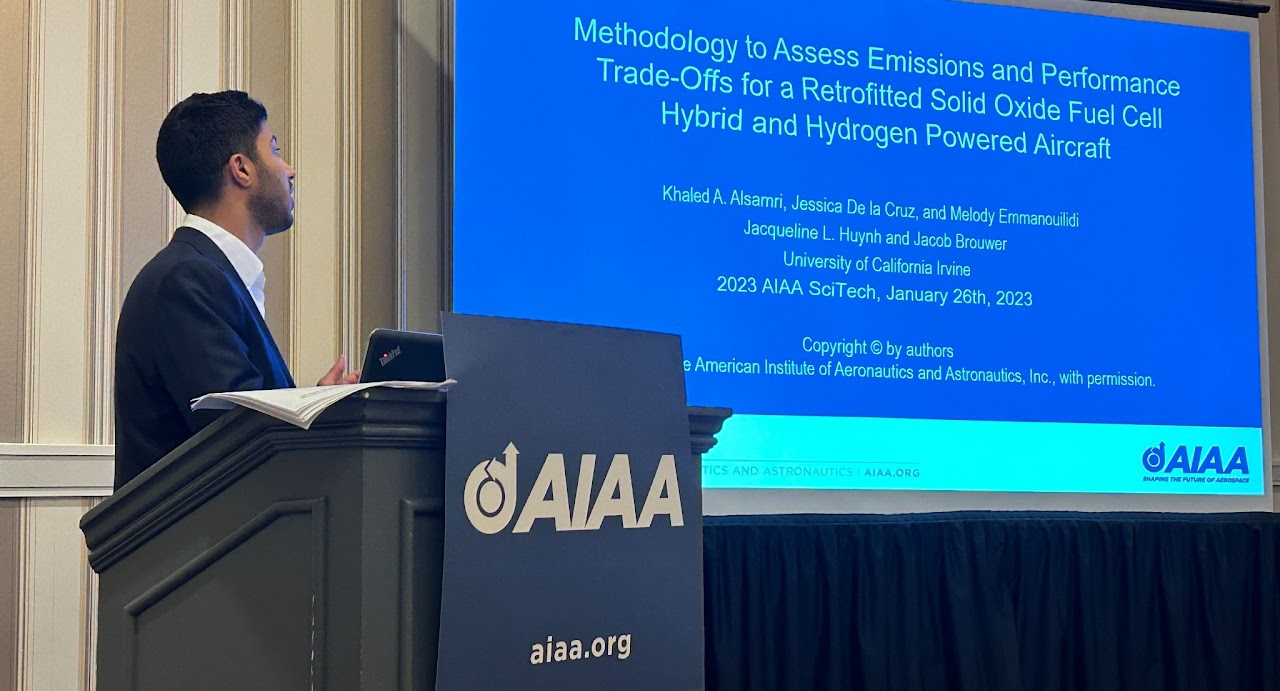
Early framework for evaluating performance and emissions tradeoffs in hydrogen aircraft retrofit concepts.
Doctoral research on hydrogen powered propulsion pathways, performance, and techno economic feasibility for aviation.
University of California, Irvine
Florida Institute of Technology
Dynamic modeling, aircraft integration, mission analysis, and powertrain architecture for hydrogen fuel cell and gas turbine hybrid propulsion.
Design and comparison of BWB and tube and wing aircraft concepts powered by hydrogen SOFC-GT systems, including energy use, emissions, takeoff weight, and passenger kilometer metrics.
Mission profile planning, aircraft architecture, hydrogen power system selection, UAV integration, and experimental pathway development for fuel cell enabled BWB aircraft.
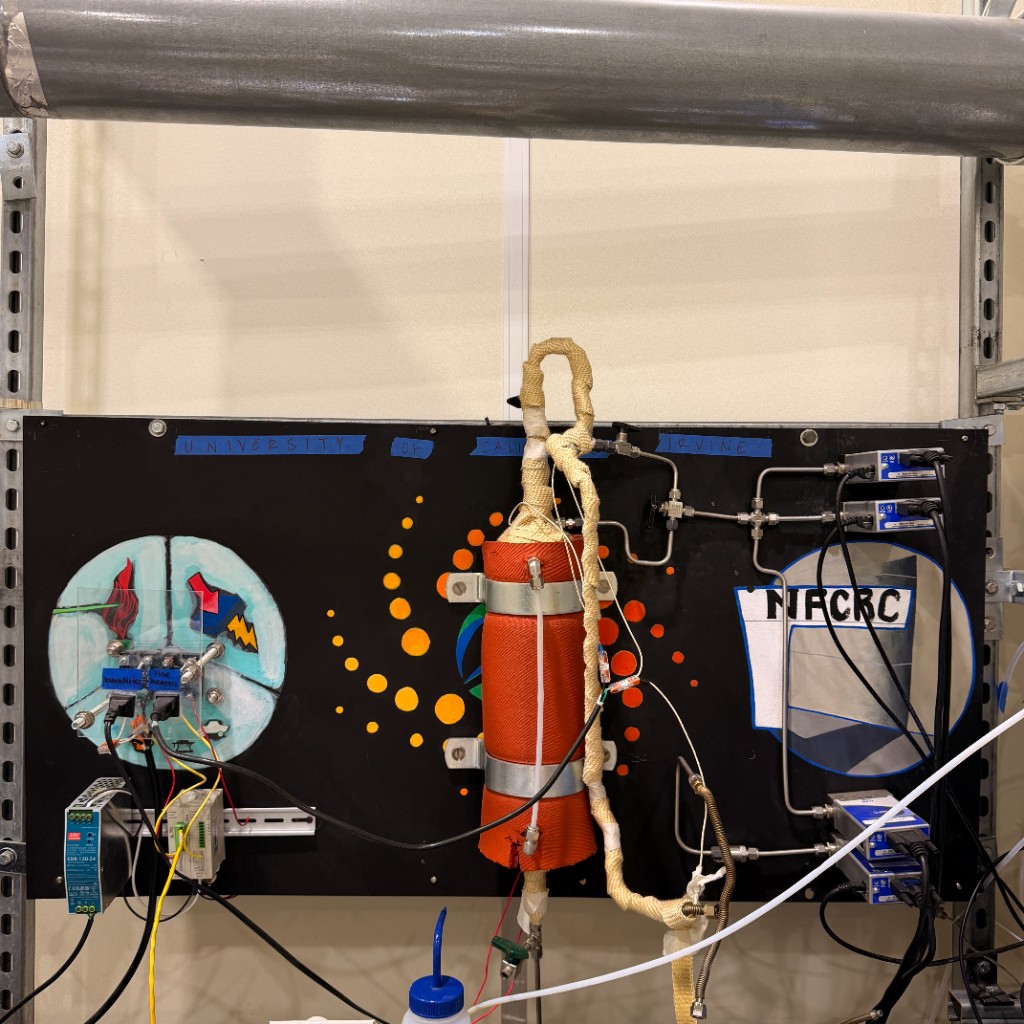
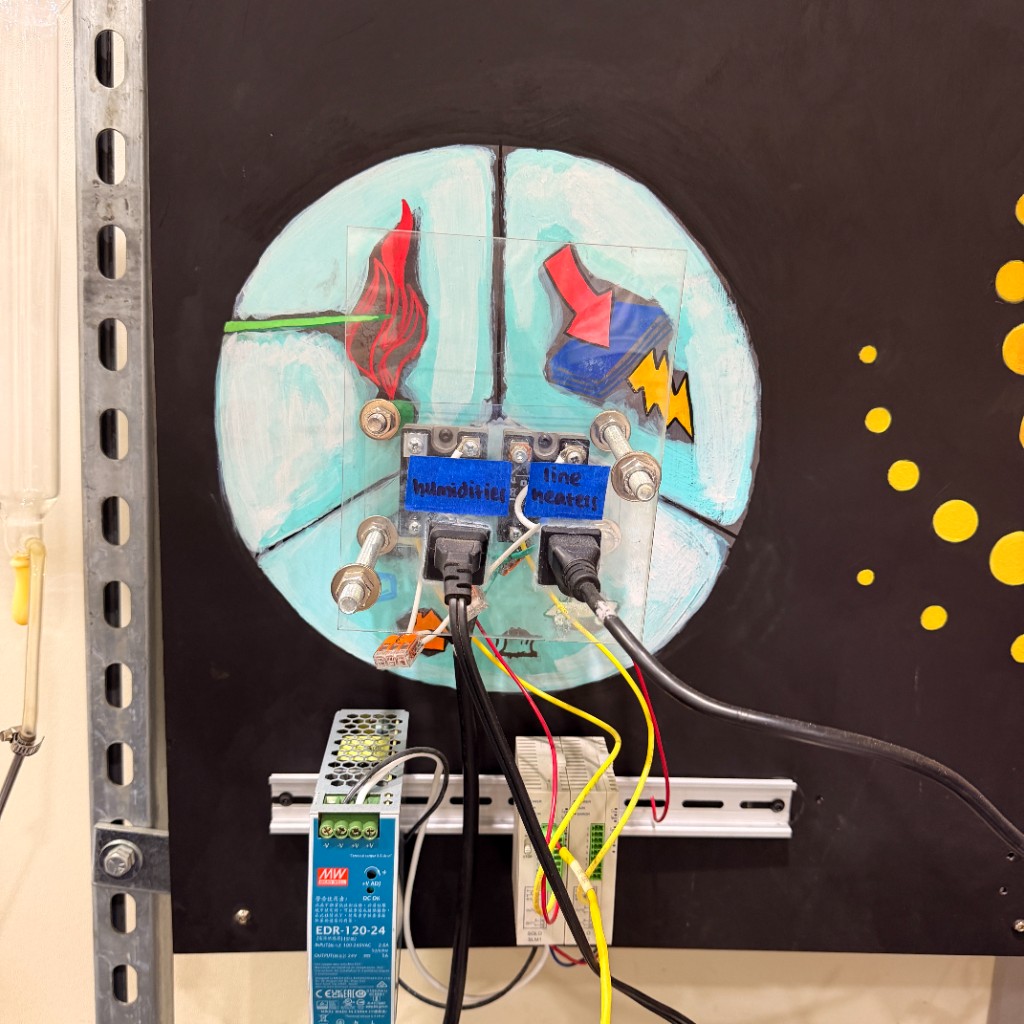
Planning and procurement of experimental platforms for SOFC, PEMFC, HT-PEMFC, hybrid power systems, gas handling, power electronics, DAQ, thermal control, and diagnostics.
Techno economic and environmental analysis of clean liquid hydrogen deployment for aviation, including production, storage, transport, microgrid integration, lifecycle impact, and long term cost pathways.
Founder led emissions reporting platform helping UAE businesses measure and report Scope 1, 2, and 3 emissions, understand their footprint, and access RECs and carbon credits through a practical, transparent workflow.
A UAE focused emissions reporting and REC access platform helping businesses measure, report, and act on their carbon footprint.
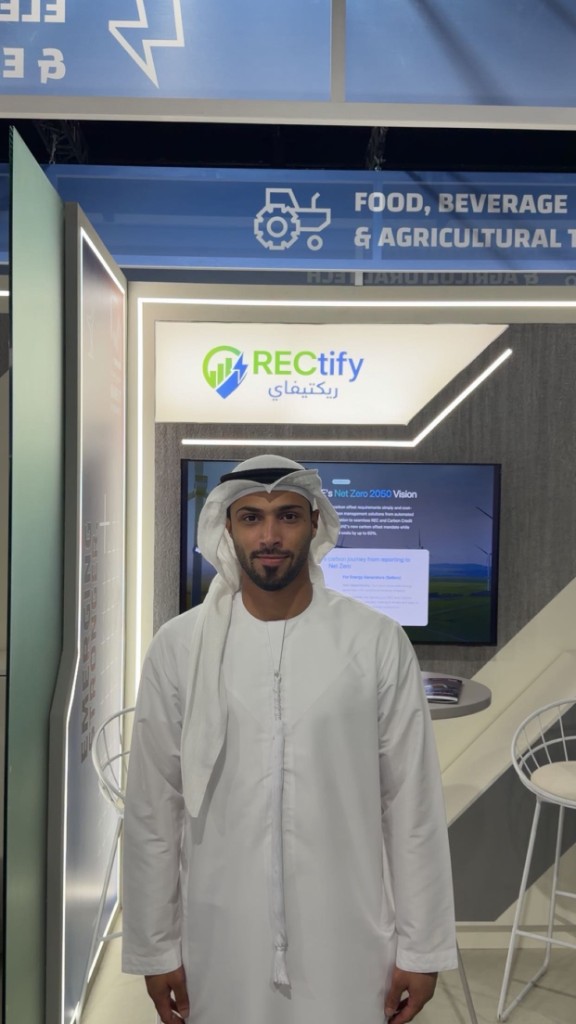
Rectify Emissions helps businesses calculate and report emissions across Scope 1, Scope 2, and Scope 3. The platform is designed to make emissions reporting easier for SMEs and organizations that need a clearer way to understand their footprint, prepare sustainability reports, and explore renewable energy certificates and carbon credit pathways.
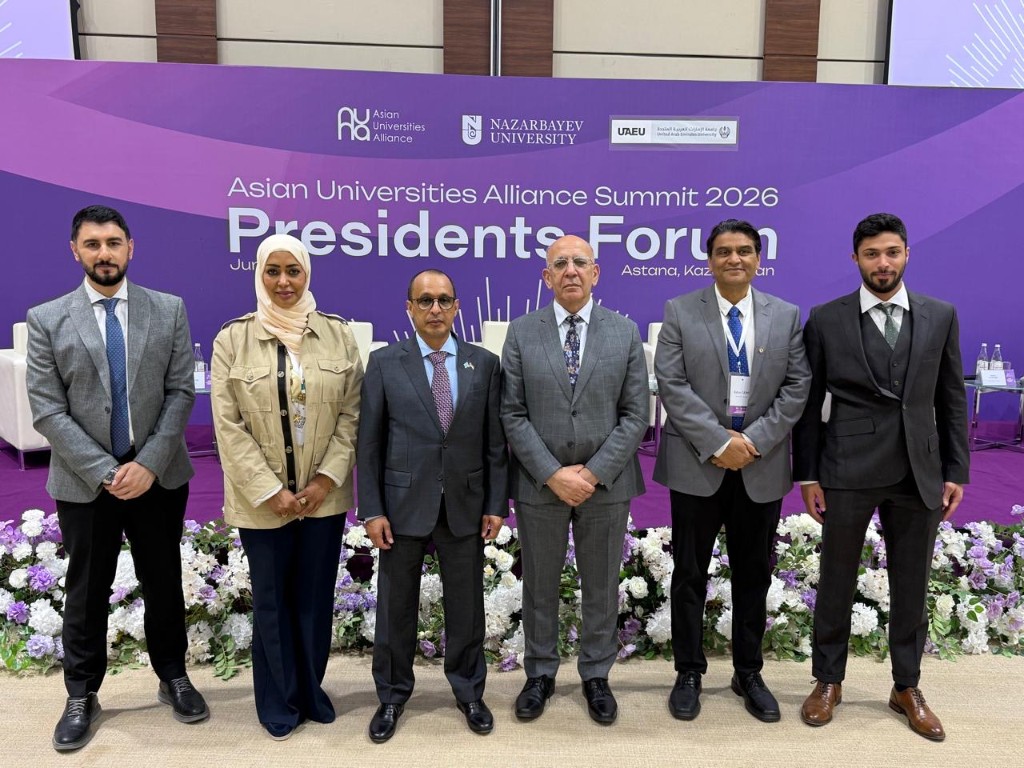
Short reflections, research updates, collaborations, images, and observations from my work across hydrogen aviation, clean energy, startups, and applied technology.
For consulting, collaborations, technical due diligence, research partnerships, speaking, or emissions reporting inquiries, reach out directly.